

Why We Keep Things We No Longer Use
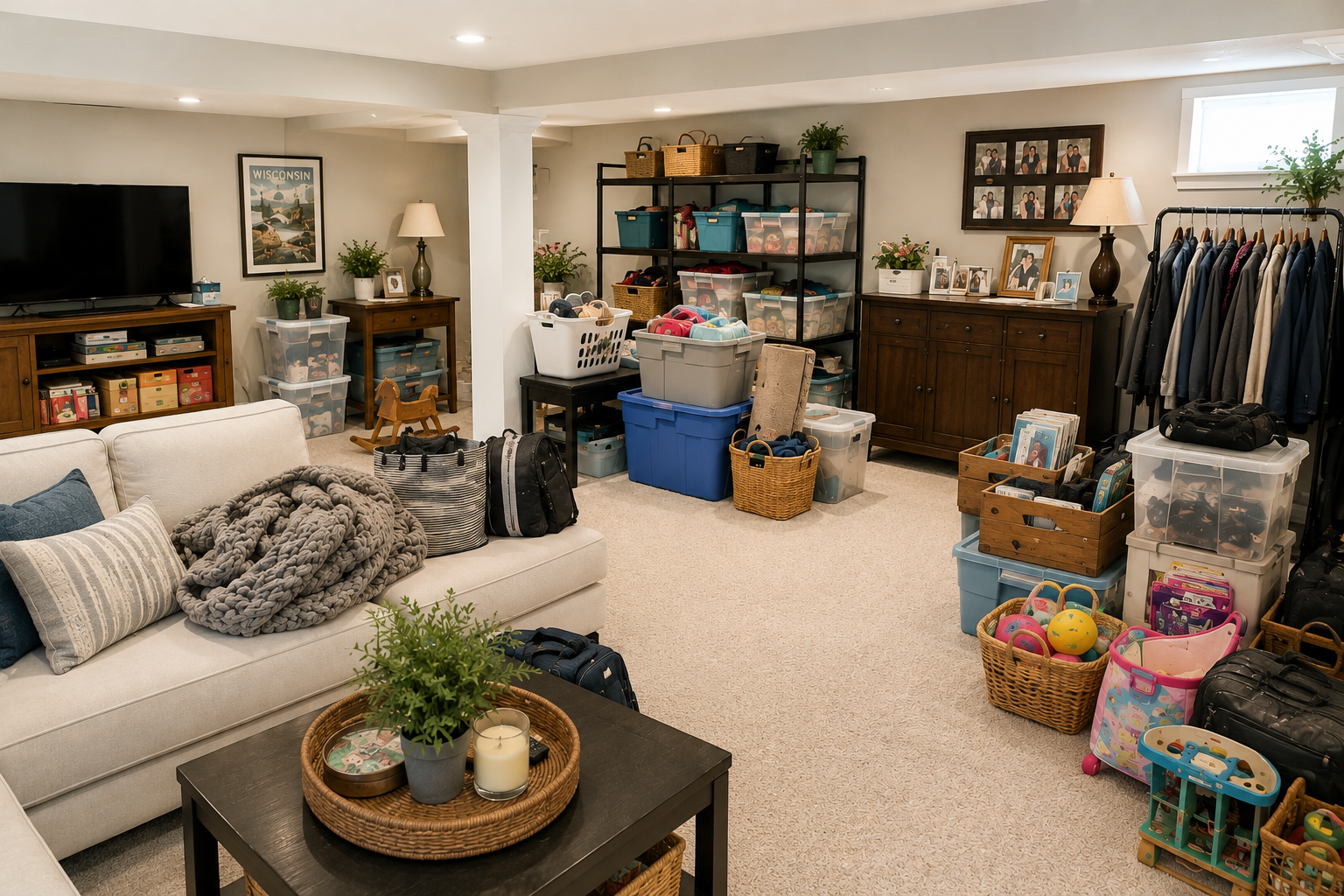
There are plenty of reasons we hold onto things, and most of them make sense in the moment:
What if I need it someday?
I spent money on it.
Someone gave it to me.
It still works.
It has sentimental value.
I might use it eventually.
But sometimes, the reason we're keeping something has very little to do with whether it still belongs in our lives today.
Two thoughts in particular come up again and again.
1) "What if I need it!?"
This is probably one of the most common reasons we keep things.
Because technically, you might need it.
You might need that extra kitchen appliance. You might wear those clothes again. You might find a use for those leftover supplies. You might eventually need the thing that's been sitting in the back of a closet for five years.
The problem with "what if" is that almost anything can be justified that way.
Instead of asking whether you could need something someday, it can help to look at the evidence you already have.
How long have you owned it?
When was the last time you used it?
Have there been opportunities to use it, but you chose something else instead?
Did you even remember you had it?
Our actual behavior can tell us a lot more than a hypothetical future.
And keeping things "just in case" isn't completely harmless.
Every item still needs somewhere to live. When enough unused things are taking up that space, the things you actually use become harder to see, harder to access, and sometimes harder to find at all.
You end up digging through things you don't use to get to the things you do. You forget what you own. You buy another one because you can't find the first one.
Eventually, keeping everything because you might need it can make your home less functional for the things you know you need now.
2) "But I spent money on it!"
This one is harder.
Getting rid of something you spent money on can feel wasteful, especially when the item is still perfectly good.
Maybe it was expensive. Maybe you barely used it. Maybe every time you look at it, you think about what you paid for it.
So you keep it.
But keeping the item doesn't bring the money back.
The purchase already happened. Whether the item stays in your home for another five years or leaves tomorrow doesn't change what you spent on it.
That doesn't mean the cost shouldn't matter. It just means it doesn't have to make the decision for you.
Sometimes it helps to look at the whole picture.
How much did it cost?
How long have you owned it?
How much have you actually used it?
Do you realistically see yourself using it going forward?
And what is it costing you to continue making room for it?
That last cost isn't always financial.
It might be a shelf you can't use for something else. A closet that stays overcrowded. A drawer you have to dig through every day. Or simply another thing you have to continue managing.
An item can have value and still no longer be valuable to you.
Giving Yourself Permission
There isn't one rule that can tell you what should stay and what should go.
But when you're struggling with a decision, it can help to stop focusing only on the reason you kept the item in the first place and look at what your actual experience has shown you since.
You kept it because you thought you might need it.
Have you needed it?
You kept it because you spent money on it.
Has the item actually been useful to you?
Sometimes, the answer will still be to keep it. But sometimes, looking at the evidence makes it easier to recognize when you're holding onto something because of a possibility, guilt, or obligation rather than because it still serves a purpose in your life.
The same can be true for gifts.
When someone gives you something, it's natural to want to make use of it. But sometimes, despite the thought behind it, a gift simply doesn't fit your needs, your routines, or your life. Think about a candle you were gifted in a scent you can't stand.
You can appreciate the person, the gesture, and what the gift meant without feeling obligated to keep something that doesn't work for you.
Letting go doesn't mean the item was a mistake, the money didn't matter, or the gift wasn't appreciated.
It simply means you're deciding what still deserves space in your life today.
And those decisions matter.
Because every item you choose not to keep is one less thing competing for space with the things you actually use. One less thing to store, move, search through, or manage.
You don't have to get rid of everything you haven't used.
The goal isn't to own as little as possible.
It's to make room for the things that support the way you actually live.
And sometimes, that means giving yourself permission to let something go.